Software Defined Radio UK for Security Testing
Showing all 6 results
-
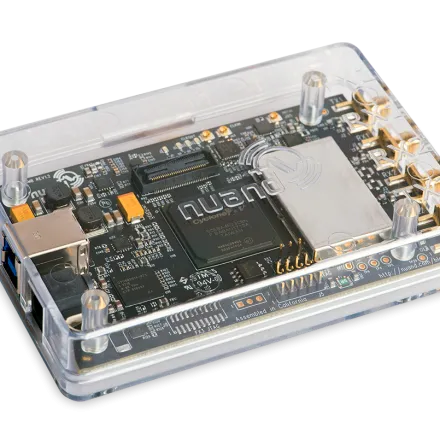 Nuand
Blade RF 2.0 Micro xA4
Price range: €649.00 through €899.00 Select options This product has multiple variants. The options may be chosen on the product page -
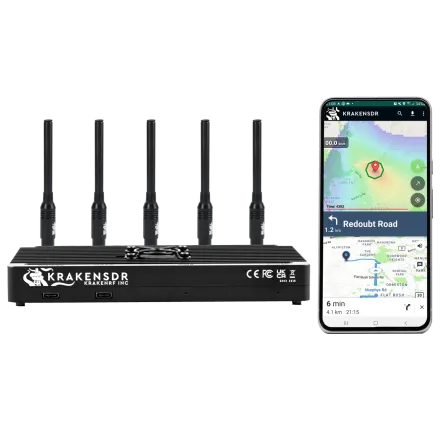 KrakenRF
KrakenSDR
€1,020.00 Add to cart -
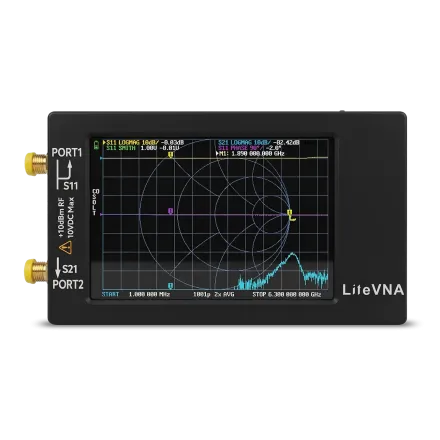 DeepElec
LiteVNA (NanoVNA Compatible)
€192.00 Add to cart -
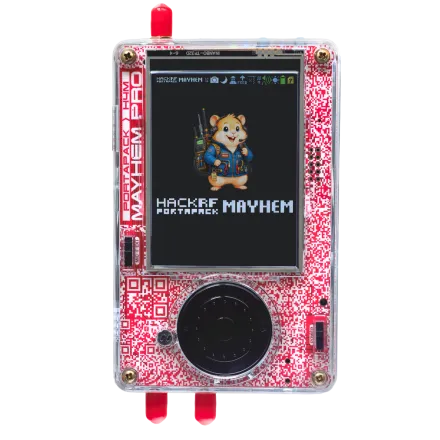 OpenSource SDR
PortaPack H4M Pro
€280.00 Add to cart -
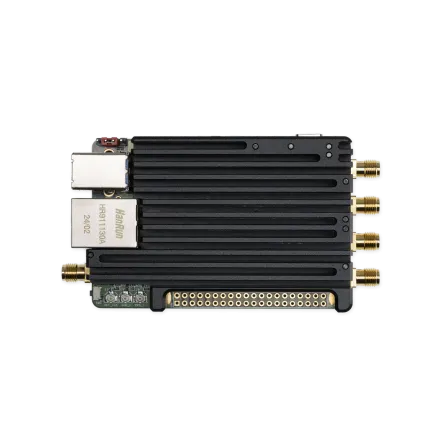 SignalLens
SignalSDR Pro
€1,100.00 Add to cart -
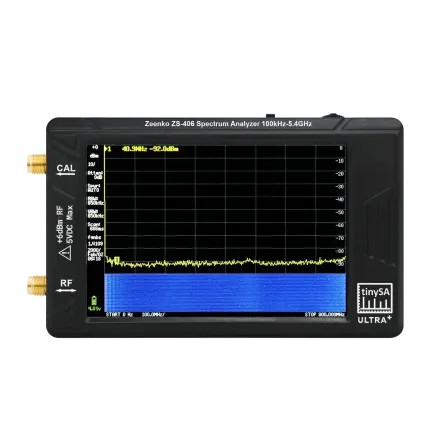 Zeenko
TinySA Ultra+
€163.00 Add to cart
SDR hardware for authorised testing
Software defined radios process radio signals using configurable hardware and software rather than a fixed-purpose receiver. In authorised engagements, they can support spectrum surveys, interference investigation, protocol research, signal classification, wireless resilience testing and controlled laboratory work. Use them only with appropriate permission and within applicable radio regulations.
For broader development work, SignalSDR Pro covers 70 MHz to 6 GHz and provides two transmit and two receive channels, full duplex operation, a 12-bit resolution, 61.44 MSPS sampling and a GPS-disciplined oscillator. It also offers Gigabit Ethernet, USB 3.0, GPIO and external clock support. These features suit teams integrating SDR hardware with tools such as GNU Radio, MATLAB or LabVIEW.
KrakenSDR is designed for multi-channel direction-finding work. It is a relevant choice for authorised KrakenSDR direction finding projects where phase-coherent channels and a suitable antenna arrangement are required. BladeRF 2.0 Micro xA4 is a compact, programmable SDR platform for engineers who need flexible transmit and receive development across supported frequencies. It is the Nuand bladeRF option in this range, so review Nuand's current specifications and software compatibility before selecting a bladeRF for a project.
PortaPack H4M Pro adds a portable interface to compatible HackRF-based workflows, making it suitable for field observation, education and controlled lab use. The TinySA Ultra+ and LiteVNA serve different measurement needs: TinySA Ultra+ is a spectrum analyser, while LiteVNA is a compact vector network analyser for examining antenna and RF network characteristics. Neither should be treated as a substitute for a general-purpose transceiver.
Choosing an SDR for the UK and Ireland
- Choose a transceiver for signal-processing development, controlled transmit tests and receive work. Choose an analyser or VNA for measurement and verification.
- Check tuning range, instantaneous bandwidth, channel count, clock accuracy, connectors, computer interfaces and software support against the test plan.
- Prices are shown in GBP or EUR, with USD also available. VAT is calculated at checkout.
- Transmitting is regulated in the United Kingdom and Ireland under Ofcom licence-exempt rules and the Wireless Telegraphy Act; receiving and analysing signals for authorised testing is the normal use.
- Review Ofcom and ComReg requirements, licence conditions, interference limits and any export-control obligations before importing or operating equipment.
Frequently asked questions
What is software defined radio used for?
Software defined radio is used to receive, analyse and, where legally permitted, transmit radio signals through configurable hardware and software. Professional teams use it for spectrum surveys, protocol research, wireless security assessments, interference analysis and controlled education or laboratory work.
Is HackRF One available with a PortaPack?
A HackRF One and a compatible PortaPack provide a portable SDR setup for approved research and field observation. The PortaPack H4M Pro is intended for compatible HackRF-based workflows. Check current manufacturer documentation for compatibility, supported functions and operating limits.
How do KrakenSDR and SignalSDR Pro differ?
KrakenSDR is focused on coherent multi-channel direction-finding applications. SignalSDR Pro is a 70 MHz to 6 GHz, two-transmit, two-receive full-duplex platform with GPSDO, external clock support, GPIO and development interfaces. Select according to the required measurement or development workflow.
Can SDR radios transmit legally in the UK and Ireland?
Transmission is regulated. Ofcom rules, the Wireless Telegraphy Act, Irish licensing requirements and licence-exempt conditions may apply, including frequency, power and interference limits. Use transmission only with permission and review current guidance before operation. Receiving and analysing signals for authorised testing is the normal use.