SDR for Security Research
Explore software defined radio hardware for authorised security testing, RF signal analysis and research. This category brings together SDR platforms, sub-GHz tools, spectrum analysers, antennas and accessories for professional teams, consultancies and students in the UK and Ireland.
Showing all 12 results
-
 Alfa Networks
10 dBi Dual-Band Panel Antenna
Price range: £9.69 through £37.28 Select options This product has multiple variants. The options may be chosen on the product page -
 AWOK Dynamics
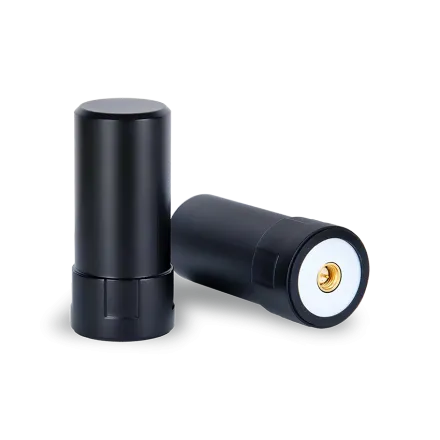
AWOK GPS Antenna AD-301
£39.00 Add to cart -
 Nuand
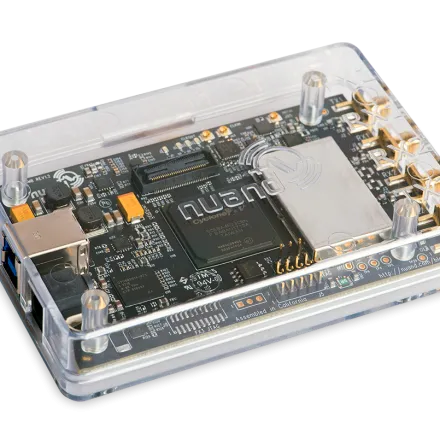
Blade RF 2.0 Micro xA4
Price range: £553.00 through £765.00 Select options This product has multiple variants. The options may be chosen on the product page -

InputStick RAT
£35.00 Select options This product has multiple variants. The options may be chosen on the product page -
 KrakenRF
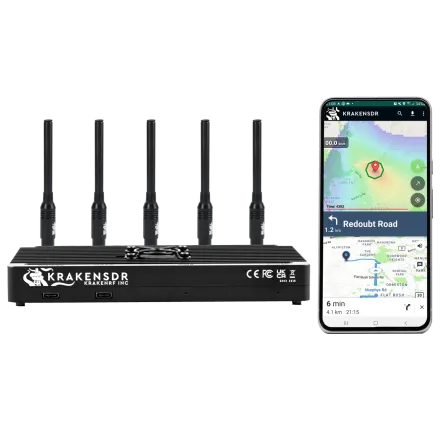
KrakenSDR
£868.00 Add to cart -
 DeepElec
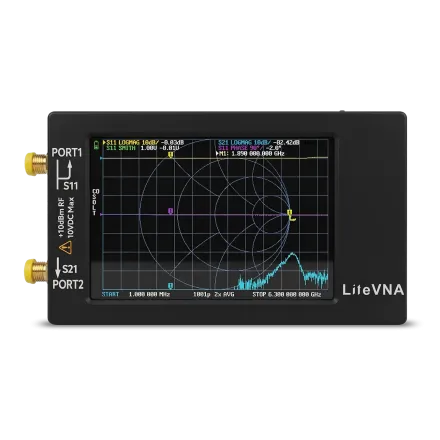
LiteVNA (NanoVNA Compatible)
£164.00 Add to cart -
 Comthings
PandwaRF Marauder
£673.00 Add to cart -
 Comthings
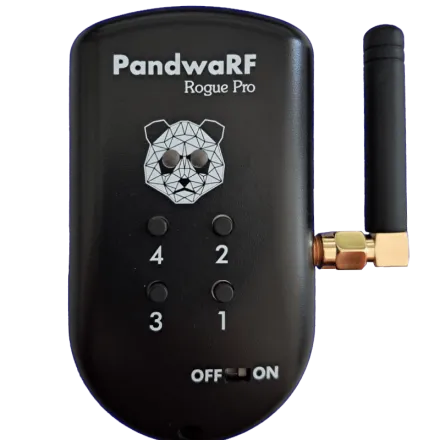
PandwaRF Rogue Pro
£382.00 Add to cart -
 OpenSource SDR
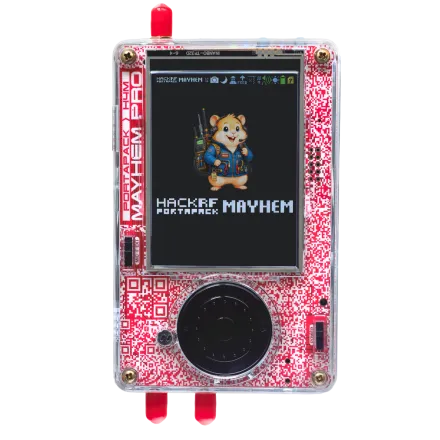
PortaPack H4M Pro
£240.74 Add to cart -
 RFID Research Group
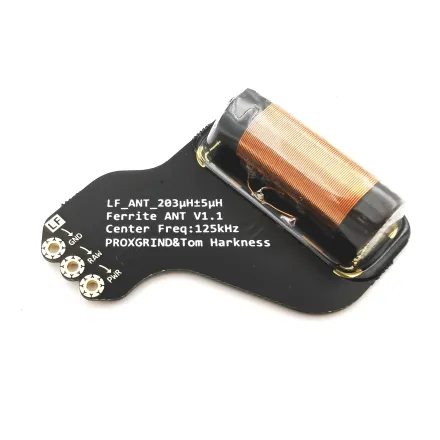
ProxRF 125KHz Biochip Antenna
£26.00 Add to cart -
 SignalLens
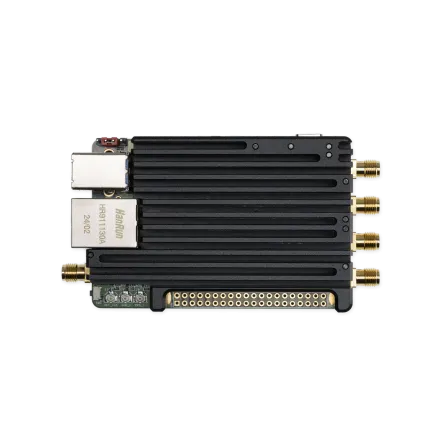
SignalSDR Pro
£936.00 Add to cart -
 Zeenko
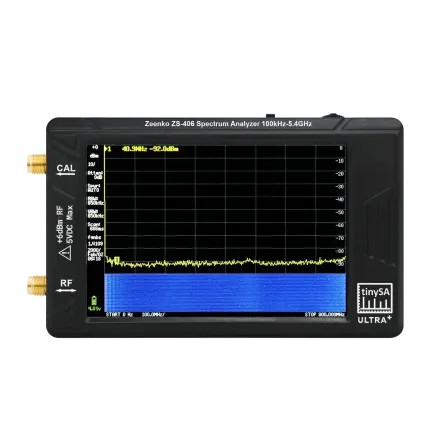
TinySA Ultra+
£139.00 Add to cart
SDR hardware for authorised testing
Software defined radio moves much of the signal-processing work into software, allowing researchers to receive, inspect and, where legally permitted, transmit radio signals across supported frequencies. In authorised engagements, these tools can help assess wireless exposure, investigate interference, validate device behaviour and document RF conditions without accessing systems or networks without permission.
For wider experimentation, SignalSDR Pro and bladeRF 2.0 Micro xA4 provide SDR platforms for configurable RF work. The bladeRF 2.0 Micro xA4 is a dual-channel, full-duplex SDR platform with a broad tuning range published by its manufacturer. KrakenSDR is designed for multi-channel coherent reception and direction-finding research.
For portable work, PortaPack H4M Pro adds a handheld interface for compatible HackRF-based setups. This is the relevant option for teams comparing HackRF Portapack hardware in the UK. PandwaRF Marauder and PandwaRF Rogue Pro are focused on sub-GHz RF research, with differences in their published hardware and functionality. Confirm supported frequencies and operating modes before selecting either device.
TinySA Ultra+ is a compact spectrum analyser for viewing RF activity, while LiteVNA is a NanoVNA-compatible vector network analyser for antenna and network measurements. The AWOK GPS Antenna AD-301 and 10 dBi Dual-Band Panel Antenna support particular antenna and connectivity requirements. InputStick RAT and the ProxRF 125KHz Biochip Antenna address specialist input and low-frequency RFID research use cases.
Choosing equipment in the UK and Ireland
- Check frequency coverage, bandwidth, channel count, connectors, host requirements and whether the product is receive-only or supports transmission.
- Use suitable attenuators, loads, filters and antennas when measuring signals or connecting RF equipment.
- Transmitting is regulated in the United Kingdom and Ireland under Ofcom licence-exempt rules and the Wireless Telegraphy Act; receiving and analysing signals for authorised testing is the normal use.
- In Ireland, ComReg states that wireless telegraphy equipment requires a licence unless specifically exempt, and licence-exempt operation is subject to technical conditions and non-interference requirements.
- Review radio regulations, lock-pick and access-tool laws, privacy requirements and export controls before an engagement.
Prices are shown in GBP or EUR, with USD also available. VAT is calculated at checkout.
Frequently asked questions
What is SDR for security research?
SDR for security research uses configurable radio hardware and software to receive, analyse and sometimes transmit supported signals. Professional teams use it for authorised RF assessments, interference investigation, device testing and education, subject to applicable frequency and transmission rules.
Which tool is suitable for RF signal analysis?
TinySA Ultra+ is designed for spectrum analysis. SignalSDR Pro, bladeRF 2.0 Micro xA4 and KrakenSDR provide broader SDR capabilities, with different channel, bandwidth and direction-finding characteristics. Check the manufacturer specifications against the intended test before purchase.
Is HackRF One or a PortaPack legal to use in the UK and Ireland?
Legality depends on the frequency, power, emissions, location and purpose. UK licence exemptions have technical conditions, while Ireland generally requires a licence unless an exemption applies. Receiving and analysing signals for authorised testing is the normal use. Obtain appropriate advice before transmitting.
What should UK and Irish buyers check before ordering?
Check supported frequencies, connectors, power requirements, software compatibility and whether transmission is possible. Also review Ofcom or ComReg requirements, the Wireless Telegraphy Act, privacy obligations and export controls for the equipment and proposed engagement.