RFID Pentesting Tools for Authorised Testing
Explore RFID and NFC security testing hardware for authorised assessments, red-team work and research. The range includes Proxmark3 platforms, Chameleon Ultra, iCopy-X, readers, capture systems, testing cards and accessories for common low-frequency, high-frequency and UHF workflows.
Showing 1–24 of 80 results
-

125KHz T5577 Keyfobs – Pack of 5
$17.00 Add to cart -
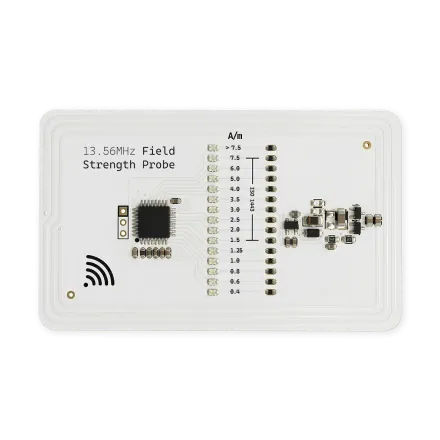
13.56MHZ RFID Field Strength Meter
$95.00 Add to cart -

13.56MHz RFID Range Boosters
Price range: $13.00 through $28.00 Select options This product has multiple variants. The options may be chosen on the product page -
 RFID Research Group
Chameleon Lite
$75.00 Add to cart -
 RFID Research Group
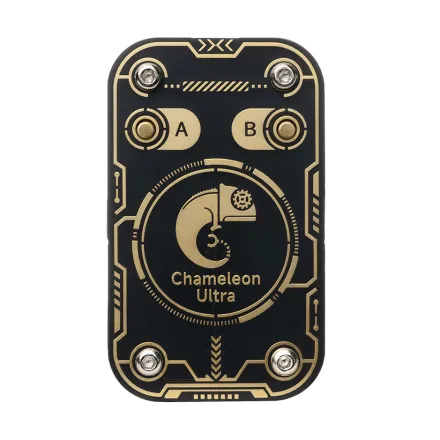
Chameleon Ultra
$164.00 Add to cart -
 RFID Research Group
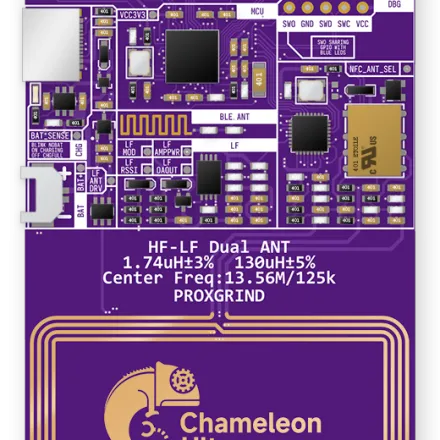
Chameleon Ultra DevKit
$164.00 Add to cart -
 Mayweather
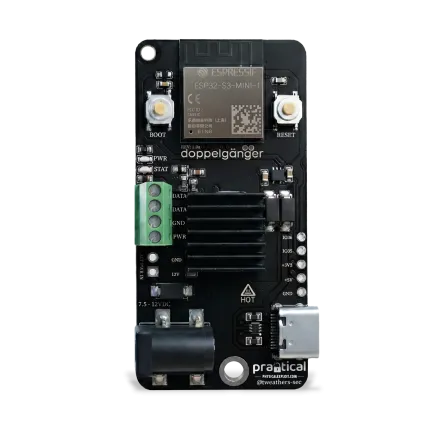
Doppelgänger Core RFID Dev Board
$60.00 Add to cart -
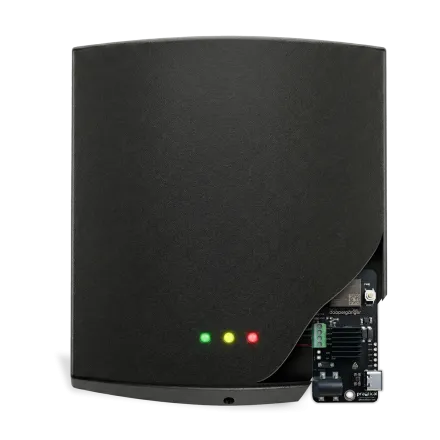 Mayweather
Dual Mode Paxton Long Range / Stealth Decoy Reader
$475.00 Add to cart -
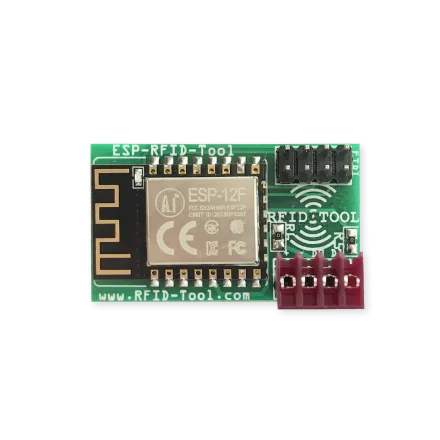
ESP RFID Tool
$38.00 Add to cart -
 iCopy-X
iCLASS® Elite Compatible Blank Tag
Price range: $39.95 through $44.95 Select options This product has multiple variants. The options may be chosen on the product page -
 iCopy-X
iCLASS® Legacy Compatible Blank Tag
Price range: $34.95 through $39.95 Select options This product has multiple variants. The options may be chosen on the product page -
 iCopy-X
iCLASS® SE/SEOS Compatible Blank Tag
Price range: $39.95 through $44.95 Select options This product has multiple variants. The options may be chosen on the product page -
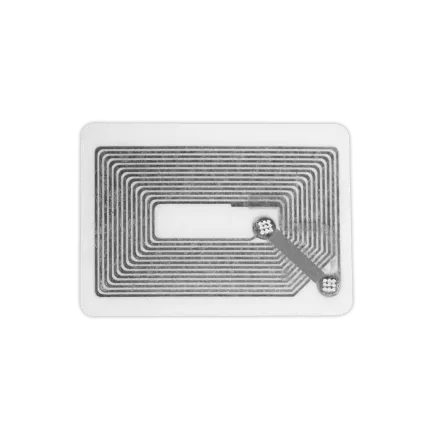
iCODE SLI Gen2 UID Changeable ISO15693
$45.00 Add to cart -
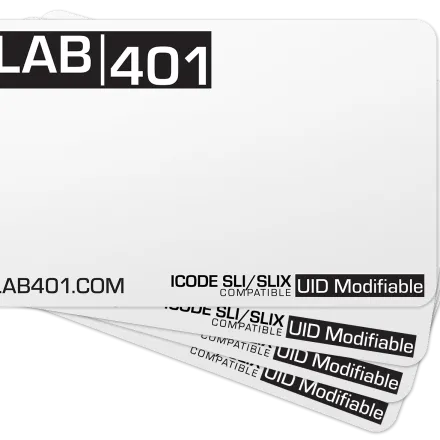
ICODE SLI/SLIX Compatible UID Modifiable
$38.00 Add to cart -
 iCopy-X
ICODE® Compatible Blank Tag
$29.95 Add to cart -
 iCopy-X
 Advanced Tag Pack
$195.00 Add to cart -
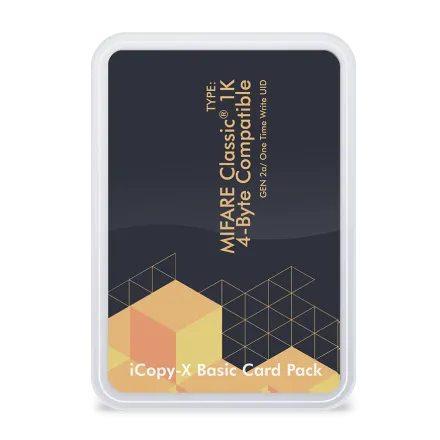 iCopy-X
 Basic Tag Pack
$25.00 Add to cart -
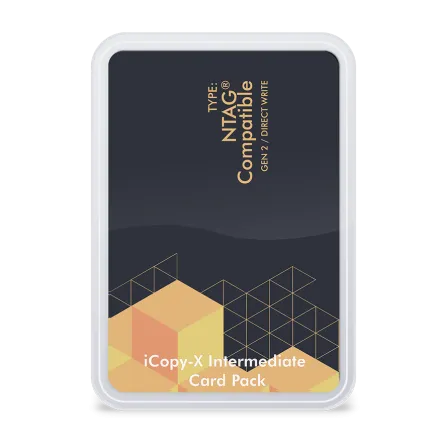 iCopy-X
 Intermediate Tag Pack
$145.00 Add to cart -
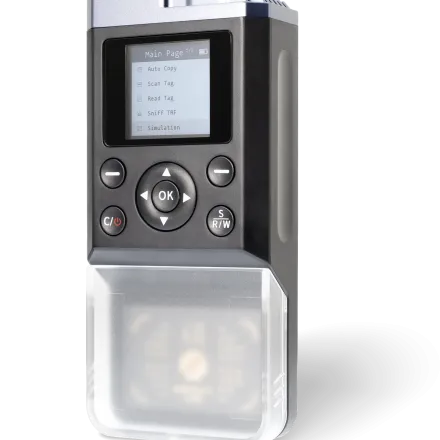 iCopy-X
ICopy-XS
Price range: $425.00 through $580.00 Select options This product has multiple variants. The options may be chosen on the product page -
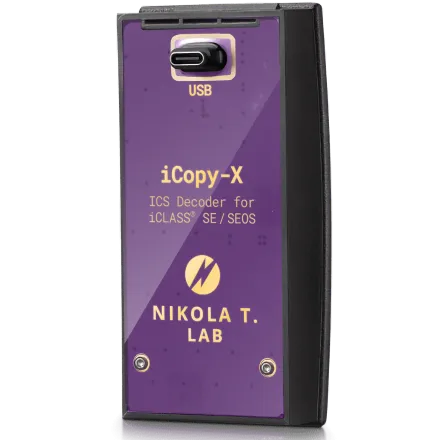 iCopy-X
iCS Decoder for iCLASS® SE / SEOS Decoder
$445.00 Add to cart -
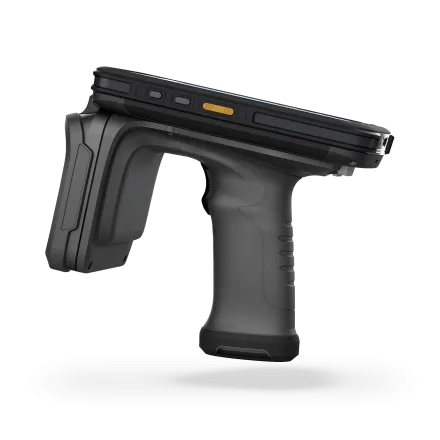
Industrial Handheld UHF Reader
$1,233.00 Add to cart -
 Tiny Labs
Keysy Blank LF Tag – Pack of 5
$24.95 Add to cart -
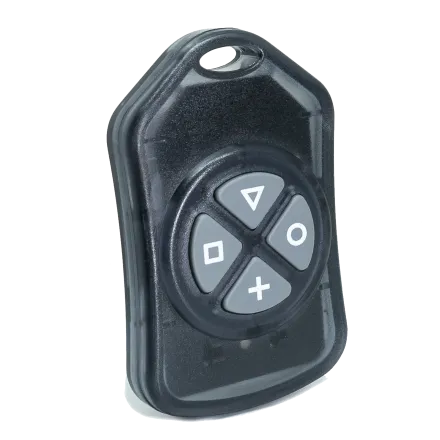 Tiny Labs
Keysy LF RFID Duplicator & Emulator
$64.95 Add to cart -
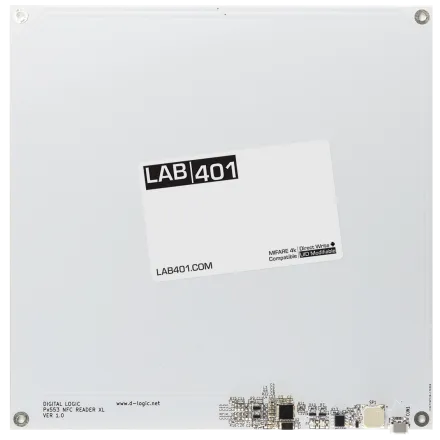 D-Logic
Long Range RFID Reader / Writer DL533N XL
$164.00 Add to cart
RFID and NFC hardware for security testing
RFID pentesting tools help assess access-control systems, cards, tags and readers within an agreed scope. Professional testers can use suitable hardware to identify configuration weaknesses, validate defensive controls, examine protocol behaviour and document risks without interacting with systems or credentials that are outside the engagement.
Choose equipment according to the frequency, technology and testing objective. The Proxmark 3 RDV4.01 and Proxmark 5 are platforms for RFID research and analysis across supported technologies. The Chameleon Ultra is designed for compatible HF card and tag emulation and testing. The iCopy-XS and iCopy-X Advanced Tag Pack suit workflows involving supported card and tag technologies, while Magic MIFARE cards provide compatible test media where required.
- Low-frequency and access-control work: consider the Long-range MaxiProx 5375 125KHz Capture System, Long-range iCLASS RFID Capture System and Dual Mode Paxton Long Range / Stealth Decoy Reader for relevant reader and capture scenarios.
- iCLASS research: the iCS Decoder for iCLASS SE / SEOS Decoder is intended for the technologies identified by its manufacturer. Confirm compatibility and lawful scope before use.
- UHF testing: UHFKill and the Industrial Handheld UHF Reader address UHF tag testing and reader workflows. UHFKill Tag Testing Service is available where a service-based test is more suitable.
- NFC testing: NFCKill Professional Version supports compatible NFC testing scenarios. Review the manufacturer’s specifications for supported frequencies, tags and operating conditions.
- Complete test kits: combine a Proxmark3 platform, Chameleon Ultra or iCopy-X with compatible cards, tags, readers and power accessories such as the PPE Long Range Reader Power Supply.
Considerations for United Kingdom and Ireland
Transmitting is regulated in the United Kingdom and Ireland under Ofcom licence-exempt rules and the Wireless Telegraphy Act; receiving and analysing signals for authorised testing is the normal use. UK exemptions apply only when equipment meets the relevant technical conditions, so review current Ofcom requirements before transmitting. Also check Irish spectrum rules, radio parameters, export controls and any laws governing access tools, lock picks or credentials.
Use these products only with written permission, defined test boundaries and appropriate data handling. Verify regional frequency compatibility, manufacturer documentation and the client’s rules before selecting an RFID or NFC security testing tool.
Frequently asked questions
What can RFID and NFC security tools be used for?
They can support authorised assessments of cards, tags, readers and access-control systems. Typical work includes protocol analysis, compatibility testing, defensive validation and controlled research. Use them only within written permission and an agreed engagement scope.
Which tool should I choose for Proxmark3 testing in the UK?
The Proxmark 3 RDV4.01 and Proxmark 5 are options for RFID research and analysis across supported technologies. Compare the manufacturer’s specifications, required interfaces and your target frequency or protocol before choosing a Proxmark3 UK setup.
Is Chameleon Ultra suitable for every NFC or RFID system?
No. Compatibility depends on the card, tag technology, frequency and functions supported by the manufacturer. Check the current product documentation before purchase, and use Chameleon Ultra only for authorised testing, research or education.
Can these products transmit radio signals in the UK and Ireland?
Transmission may require a licence or must meet specific licence-exempt conditions. Review Ofcom rules and the Wireless Telegraphy Act in the UK, alongside applicable Irish requirements. Receiving and analysing signals for authorised testing is the normal use.